Discover
great deals
on the many
top brand
items available only on
eBay
!
This site contains sponsored affiliate links.
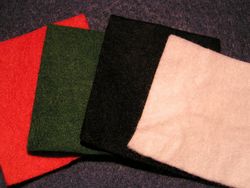
Felt
Home
Crafts Wholesale Lots
Crocheting
Cross Stitch
Embroidery
Fabric
Chenille
Chiffon
Corduroy
Cotton
Denim
Felt
Flannel
Fleece
Lace
Linen
Lycra
Organza
Other Fabric
Rayon
Satin
Sequined Fabric
Silk
Suede & Ultrasuede
Synthetics & Blends
Tulle
Velvet & Velour
Wool
Fabric Embellishments
Knitting
Lacemaking, Tatting
Latch Rug Hooking
Leathercraft
Macramé
Needlepoint
Quilting
Sewing
Spinning
Upholstery
Weaving
Yarn
Read more at Wikipedia.org
•
[List your site here Free!]
Click to see more Felt items at www.ebay.com
Prices current as of last update, 06/25/26 5:35am.
Home
Contact
Resources
Exchange Links
eBay





 Contact
Resources
Exchange Links
eBay
Contact
Resources
Exchange Links
eBay

 Home
Home Chenille